

“
Most frontend problems are structure problems in disguise. I settle the data model and the component contracts first, so the screens come together fast — and still make sense six months later.
01Model the data before the screenPrinciple
[I build enterprise data platforms in Next.js and TypeScript, and the multi-agent systems behind them. Open to full-stack, AI and ML engineering roles]

An enterprise data platform, two developer tools and a shipped mobile app. Each one started with the data model, not the screen.
 Datachecks Enterprise2023 — Now
AI data migration platform · Ploutos AI Technologies
350+ PRs merged · 2× faster QA on the UAE Central Bank migration
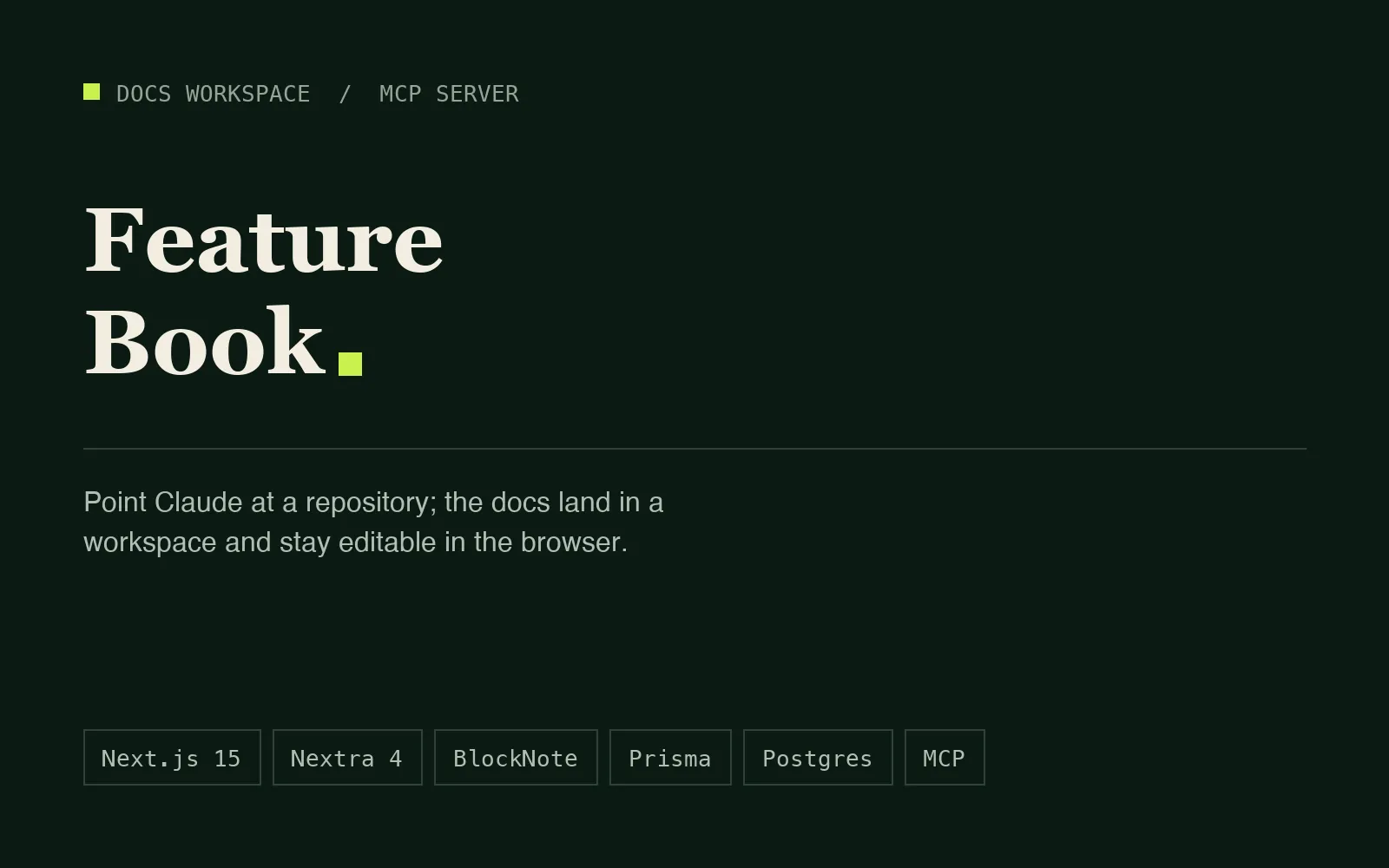 Feature BookLive
Developer tool · Personal product
MCP server that lets Claude write docs people can keep editing
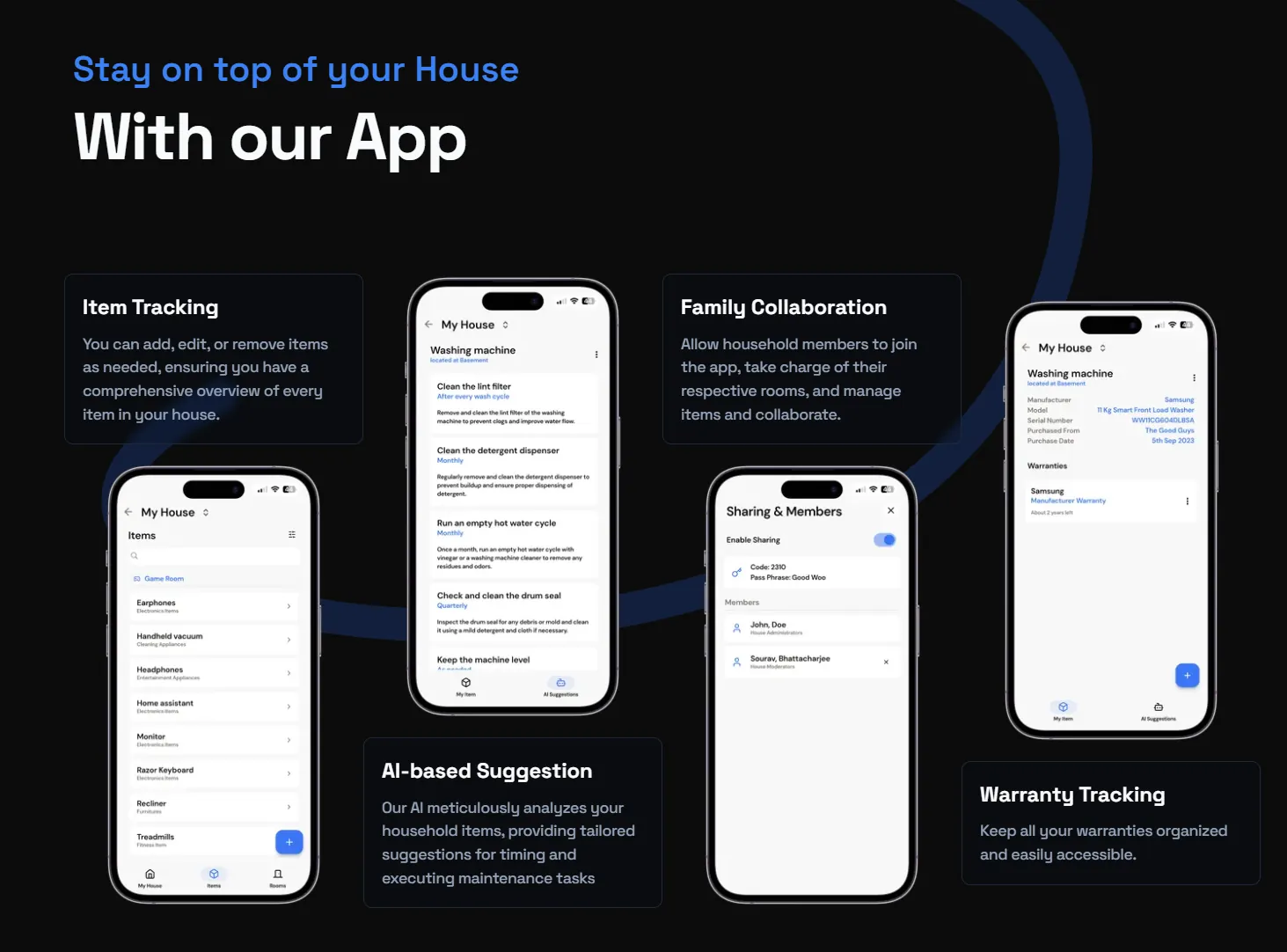 The House Hero AppShipped
Mobile app · Personal product
Live on Google Play and the App Store in Australia
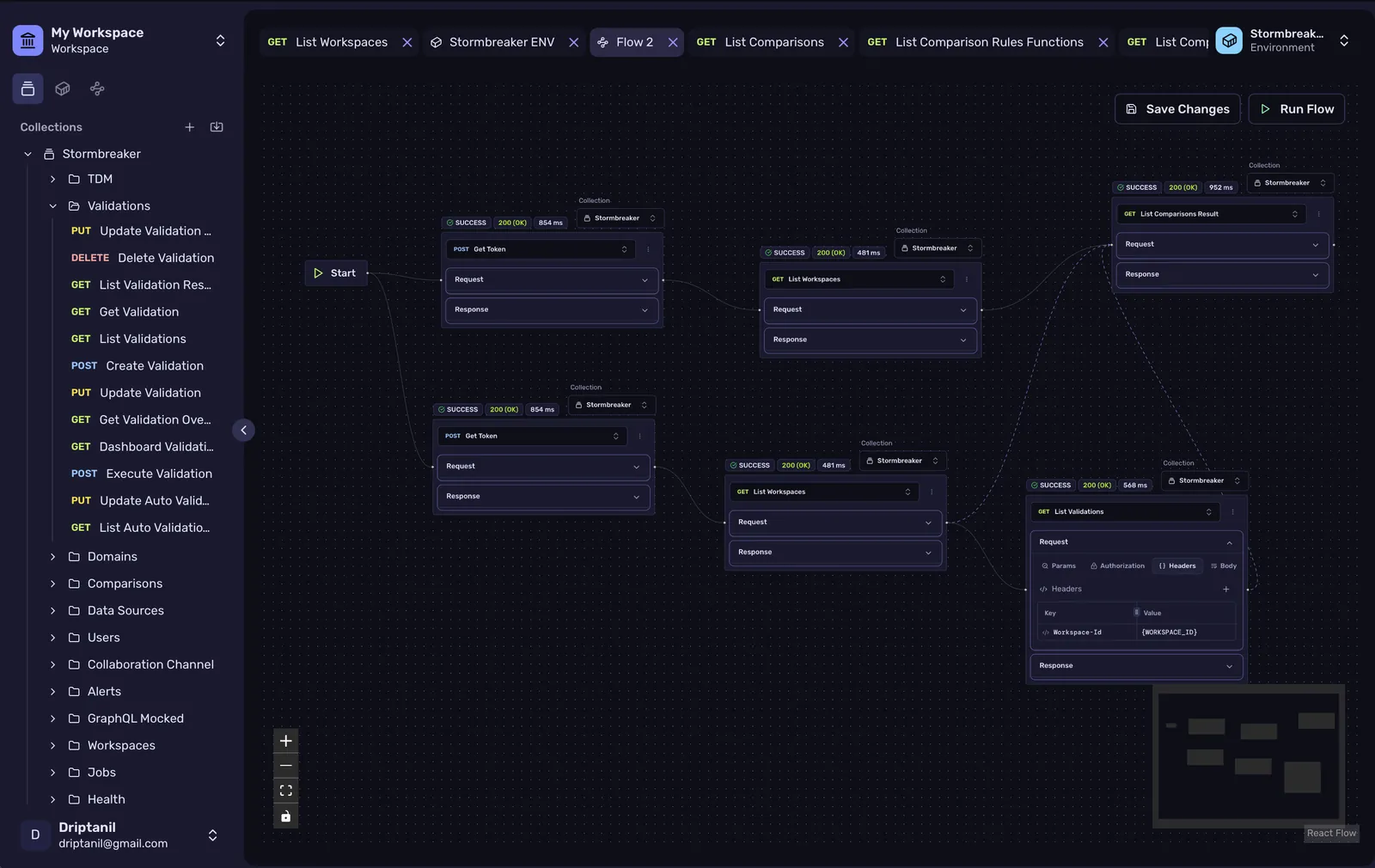 LynxAPIOngoing
Desktop tool · Personal product
Rust and Tauri desktop app · payloads never leave the machine
On one product, Datachecks, since 11.2023: first as an intern on the open-source SDK, now as SDE I leading the enterprise frontend. Waterdip Labs and Ploutos AI are the same company under its old and new name.
Datachecks, end to end: I joined as an intern on the open-source SDK and now lead the frontend of the enterprise platform built on it. The company was renamed from Waterdip Labs to Ploutos AI along the way.
→2024An AI medical scribe for vets: voice in, structured clinical record out.
→The tools behind 350+ merged pull requests at Ploutos AI and six shipped products, grouped by what they build: agents, services, web and apps.
Multi-agent systems with persistent memory and retrieval, deployed on-premise when the client needs it.
 LangGraph
AlsoMulti-agent systems · RAG pipelines
 OpenAI
 Claude
 Grok
 Hugging Face
 LangChainLangGraph
 LangSmith
 Langfuse
 Mem0
 pgvector
 PyTorch
 scikit-learn
APIs and storage that hold up at 10M+ rows: schemas first, then the queries that read them.
 Next.js
 Rust
 FastAPI
AlsoREST & WebSockets · SQL · SQLite · CI/CD
 Python
 Node.js
 Actix WebPostgreSQL
 Azure SQL
 MongoDB
 Redis
 Snowflake
 Prisma
 SQLAlchemy
 SeaORM
 Pandas
 Polars
 Docker
Enterprise web apps, built on component contracts a team can extend.
Next.js Astro
AlsoDesign systems
 TypeScriptNext.js
 ReactAstro
 Tailwind CSS
 shadcn/ui
 Zustand
 Axios
 React Flow
Flutter apps shipped to Google Play and the App Store, and Rust and Tauri desktop apps that keep payloads on the user's machine.
 Flutter
 Tauri
AlsoApp Store & Google Play releases · OpenAPI
Flutter Dart
 Material
 Cupertino
 GetXDio
 Firebase MessagingTauriRust
My GitHub activity over the 12 months to Oct 2026. 2,056 of them are in private work repositories, which GitHub counts but doesn't name.
Where the work happens. Late nights, a big screen and a terminal always open, with the lighting changing as the day goes. Click a photo to see it full size.
On the desk
Next up: Overfitting and Cross-Validation.
Each one opens full size and links to Udemy's verification page, so anyone can check the credential.
396 published pages across 21 series. I write while I learn, from the terminal up to LLM internals. Most recent first.
Four principles I hold myself to, and three things a team gets from them. Scroll sideways for all seven.
Most frontend problems are structure problems in disguise. I settle the data model and the component contracts first, so the screens come together fast — and still make sense six months later.
State that lives in one place, components that own one job, and side effects you can point at. Boundaries are what let a second engineer land a change without reading the whole tree.
Fast local dev, honest types, and errors that say what went wrong. Cutting the loop from minutes to seconds changes what a team is willing to attempt.
Shipping is the start of maintenance. I leave behind naming, docs and tests that make the next change cheap rather than clever code that makes it expensive.
I build the boring structure well — data models, component contracts, state boundaries — so the next three features slot in instead of forcing a rewrite.
React and TypeScript on the front, FastAPI, Node and Postgres behind it, Rust when it earns its place. Fewer handoffs, fewer things lost between them.
Six products in production, maintained after launch. I care about the second year of a codebase as much as the first two weeks.
What teams usually ask before we start working together.
Open to full-stack, AI engineering and ML engineering roles. I'm based out of India and open to remote roles or relocating for the right team. The fastest way to reach me is driptanil.datta@gmail.com.
Most frontend problems are structure problems in disguise. I settle the data model and the component contracts first, so the screens come together fast — and still make sense six months later.
React and TypeScript on the front, FastAPI, Node and Postgres behind it, Rust when it earns its place. Fewer handoffs, fewer things lost between them.
Yes. At Ploutos AI I lead a four-person frontend team on Datachecks Enterprise. We shipped RBAC, SAML SSO, multi-workspace support, cross-database comparison, lineage and profiling.
Both. I architect multi-agent systems with persistent memory (Mem0), RAG pipelines and LangGraph orchestration, and I build the interfaces people use to run them.
Shipping is the start of maintenance. I leave behind naming, docs and tests that make the next change cheap rather than clever code that makes it expensive.